Blogs
How South Korea’s Gaming Scene Pushes the Boundaries of Player Experience
13 November 2024
By Bum Il Lee
Vice President – Client Solutions
TDCX South Korea
South Korea has transformed what many see as casual pastime into a cultural powerhouse and a lucrative industry. It’s the fourth-largest gaming market globally, with 71% of the South Korean population having played video games and the industry raking in more than US$16 billion in revenue.
At the heart of this transformation is South Korea’s gaming culture, which continues to set standards for customer support and player experience. Here, there’s a clear shift toward community-driven activities. Gamers actively shape the very experiences they’re part of, with developers continuously integrating player feedback to improve and evolve games. Several cultural nuances further distinguish South Korea — esports has reached professional levels, “PC bangs” (gaming cafes) are everywhere, and players are mobile-first while crossing over multiple platforms. In an industry where the next big game is always just around the corner, South Korean gaming companies recognize that exceptional CX is a key differentiator.
The unique pulse of South Korea’s gaming ecosystem
For many South Koreans, gaming is woven into the fabric of their culture, which is shown in how customer experience (CX) is crafted — community-driven, fast, and always on point:
PC bang culture: Gaming cafes are part of South Korean social life. These spaces bring together gamers of all levels, encouraging teamwork, strategy, and community. More than a third of gamers who frequent PC bangs do so five to eight times a month.
This communal aspect of gaming is deeply ingrained in the country’s culture, and it translates into the expectations players have for CX. In-game chat functionalities, seamless group-based events, and multiplayer experiences with minimal latency are non-negotiable. The country has a median gaming latency of 55 milliseconds (ms), the lowest in East Asia, which demonstrates the need and expectation to experience a real-time connection not just with the game but with their fellow players. In contrast, slow game connections and server speed are what hinder PC players (24.6%) and mobile users (22%) from playing South Korean games.
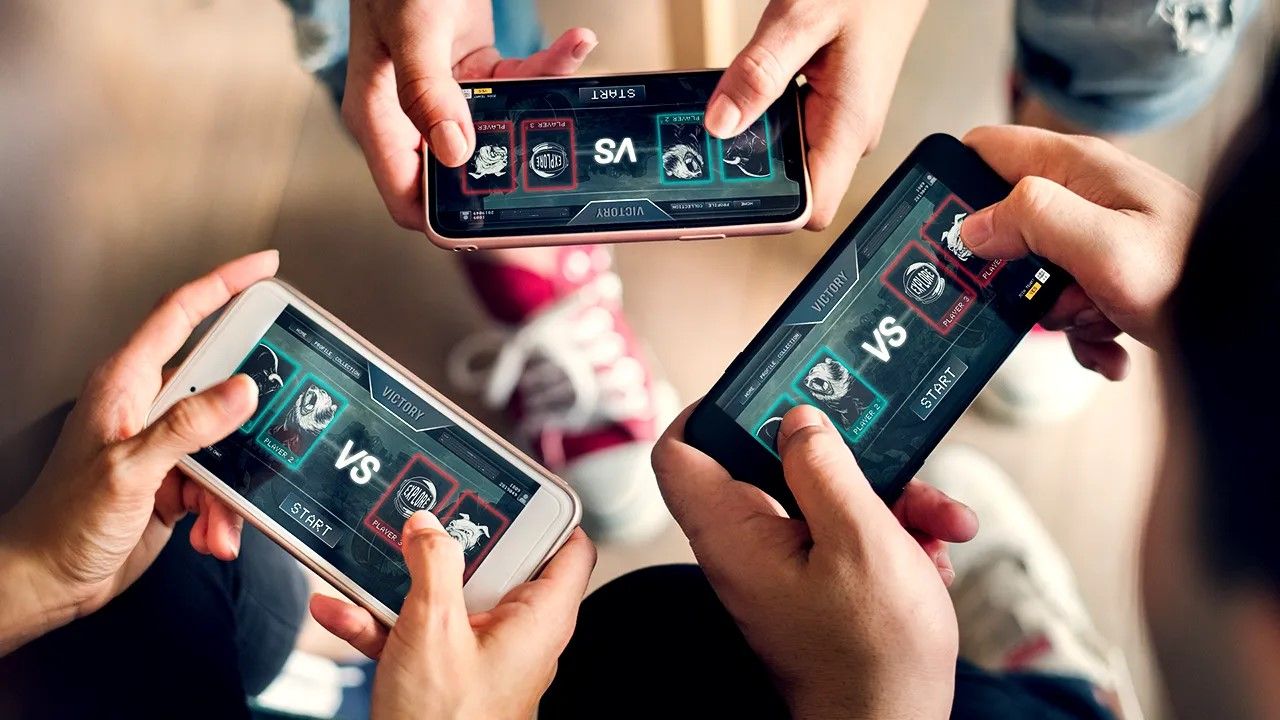
Mobile gaming surge: Powered by the country’s advanced mobile infrastructure, the demand for mobile-first and on-demand gaming experiences is high. Players expect seamless access to their favorite games anytime, anywhere.
It's not just the local gamers, too. China led in consuming South Korean gaming exports at 34.1%, followed by Southeast Asia at 17%, and North America and Europe, each at 12.6% — demonstrating a global reach and diverse player base. In fact, one South Korean game became so popular in India that the company established its own operations in the country.
For CX, this means a comprehensive approach to mobile support — gamers expect in-app assistance, multichannel options for reaching customer service, and multiplayer features that work smoothly with popular mobile apps, such as KakaoTalk. Social connectivity features are a must — they reinforce the community-driven aspect that South Korean gamers value highly.
Esports as mass entertainment: Esports events in South Korea draw massive crowds both in-person and online. A multiplayer game world championship held in Seoul, for example, attracted more than 40,000 attendees, with countless more watching across various platforms. Fans expect seamless viewing experiences — high-quality streaming with zero interruptions, regardless of how many viewers tune in.
But with larger audiences comes greater complexity in content moderation and community management. Ensuring trust and safety in these spaces is crucial, requiring scalable systems that not only manage increased traffic but also moderate content efficiently to maintain a positive experience for all viewers. Maintaining smooth, trustworthy, and scalable support systems for these massive events can make or break player satisfaction and credibility with viewers.
Fair-play competition: Esports isn’t just a hobby in South Korea. Pro gamers are rockstars, with training facilities that rival traditional sports academies. This competitive edge means South Korean players expect more than good gameplay — they want a fair fight.
This competitive spirit spills over into CX, as players expect top-tier support when it comes to gameplay. This includes timely game updates to fix bugs and address balance issues, fast and reliable customer support that handles player feedback, account management, and issue resolution. Indeed, cheating, deliberately disrupting gameplay, and tampering with game mechanics are the leading frustrations for gamers in South Korea, the US, and the UK in online multiplayer environments. The impact? Nearly 70% quit mid-game, while 74% steer clear of the game entirely — a clear signal of the toll that these behaviors take on player retention.
Pop culture crossover: Gaming in South Korea often merges with K-pop, fashion, and television. It’s not uncommon for game developers and publishers to collaborate with K-pop stars for exclusive in-game content, such as skins, music tracks, or special events. This synergy strengthens the emotional connection players have with the game, creating a richer, more engaging experience.
CX teams must be well-versed in these cultural crossovers to ensure that they’re speaking the same language as the players. Culturally attuned support is key to deepening these connections and building long-term loyalty.
How the ‘VIP experience’ changes the CX game for South Korean players
In South Korea, gaming companies are redefining the “VIP experience” — and with it, how CX is delivered. For their loyal players, developers craft highly personalized programs beyond typical gameplay perks. These players, who pour hours into perfecting their skills and building communities, get a “VIP treatment” that’s as unique as their commitment.
Gaming companies, for example, assign dedicated account managers to their players. Some of South Korea MMORPG developers also host meet-and-greets in Seoul’s venues, turning these events into forums for discussion. These are where players share insights, provide feedback, and have a direct hand in shaping the game’s future. It’s an experience that turns loyal fans into active contributors.
The perks also extend into game development itself. They’re often invited to beta-test upcoming features and expansions, giving them a voice in the game’s evolution. This level of access exemplifies the cultural values of loyalty and community central to South Korea.
The impact is multifaceted. For players, it’s a personalized experience that rewards their dedication, while for developers, it’s a constant feedback loop that sharpens game quality. For the wider gaming community, the feedback frequently drives features and updates that benefit everyone, creating a CX model that feels as collaborative as it is exclusive.
Case in point: A blockbuster South Korean game took a serious hit at launch, facing backlash over downgraded graphics, bugs, and broken promises about gameplay, dropping its market share from 14% to a paltry 1%. But instead of folding, the developers turned the tide by openly engaging with players and acting fast on feedback. By implementing 90% of promised updates, they boosted returning users by 213% and drew in 542% more new players — proof that transparency and player-centered updates can make or break a game’s success.
Indeed, South Korea’s gaming market doesn’t just run on high tech — it’s ingrained with deep cultural roots. Community, respect, and engagement are woven into every player experience, and for gaming companies setting their sights on international expansion, this cultural grounding is a blueprint for CX that scales. But there’s a trick to getting it right: delivering a CX that feels local, even when the player base is global.
Visit our dedicated gaming and entertainment page to learn how enabling robust community engagement, seamless and personalized support, and strong trust and safety capabilities can enable your company to pace for a dynamic, player-centered future.